

One of the most effective shifts in workplace we’re seeing borrows from an unexpected place: 𝐮𝐫𝐛𝐚𝐧 𝐩𝐥𝐚𝐧𝐧𝐢𝐧𝐠.
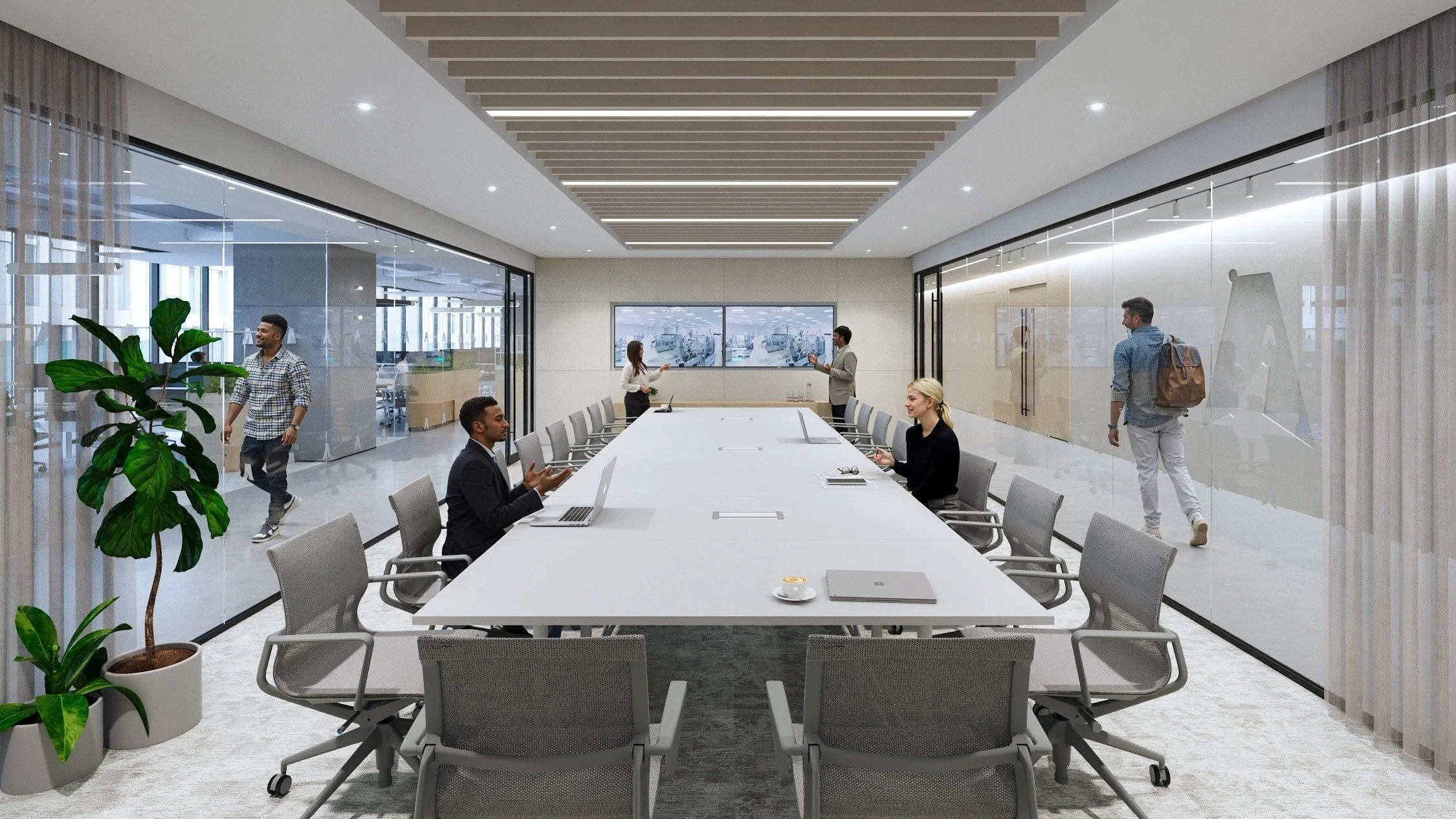
Our clients are making decisions today that may not fully land for three to five years—but the consequences of those decisions will shape their organisations for decades. In that context, workplace design is no longer a short-term response to current behaviours; it is a long-term investment in adaptability, culture, and performance.
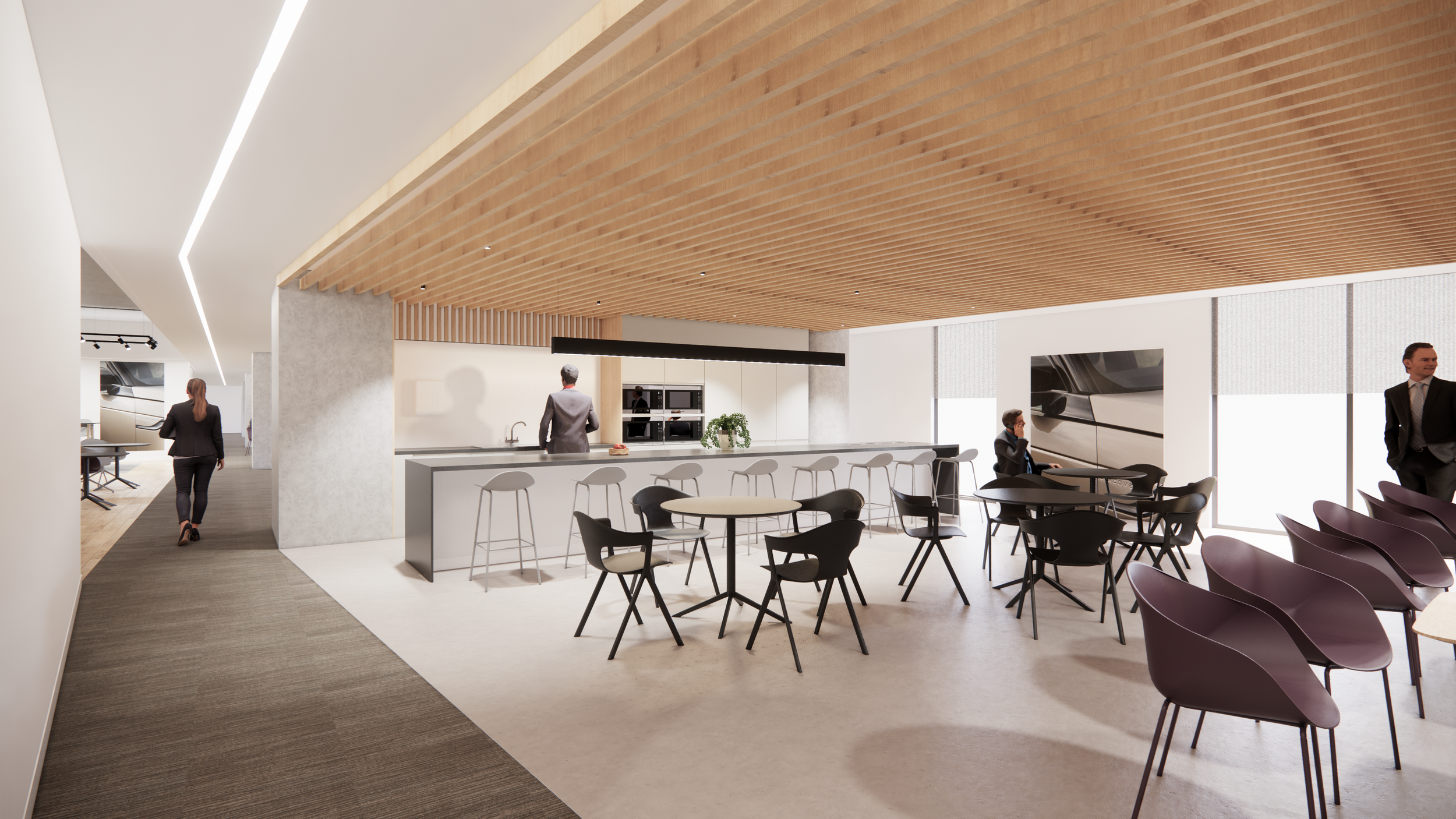
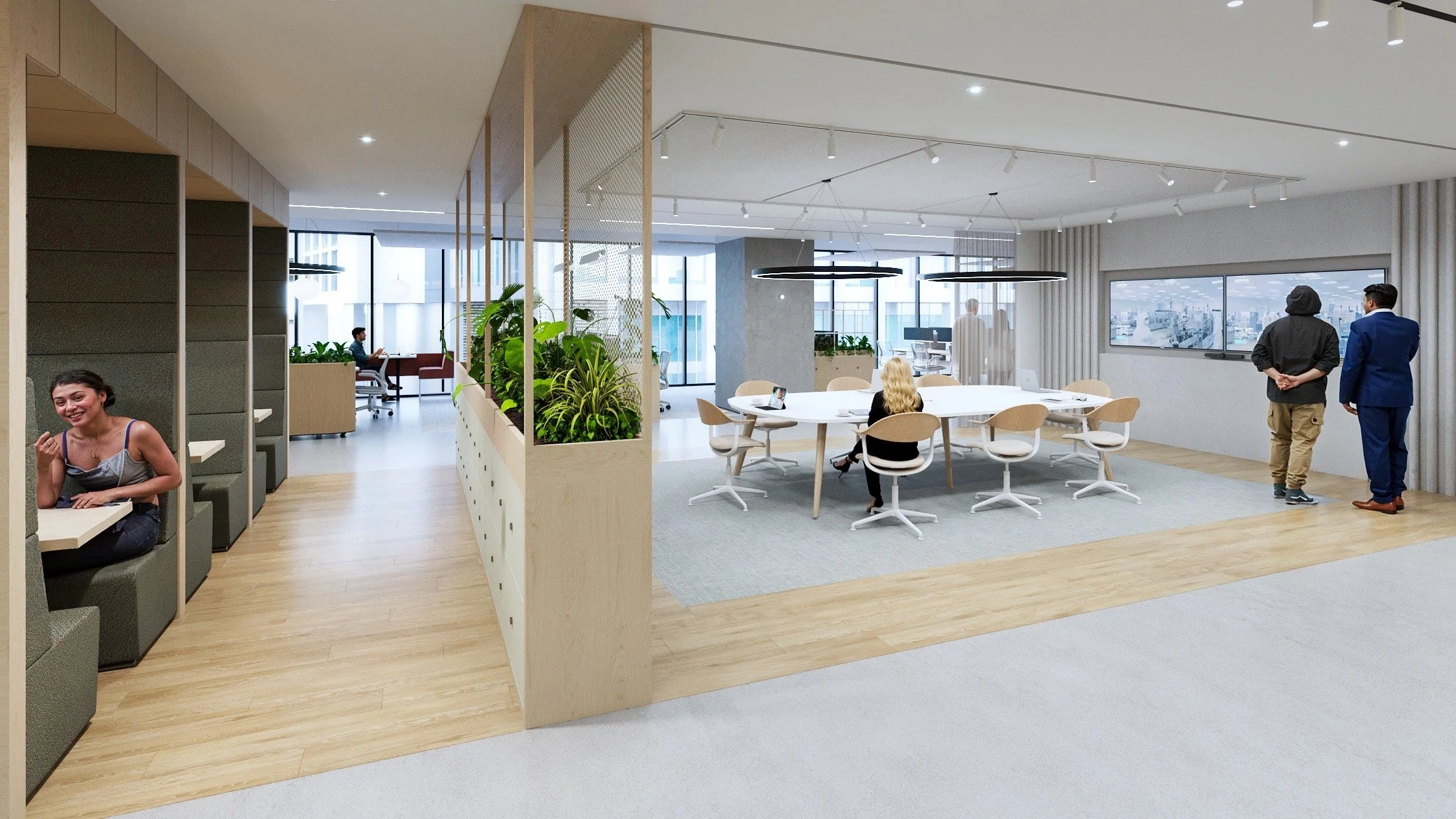
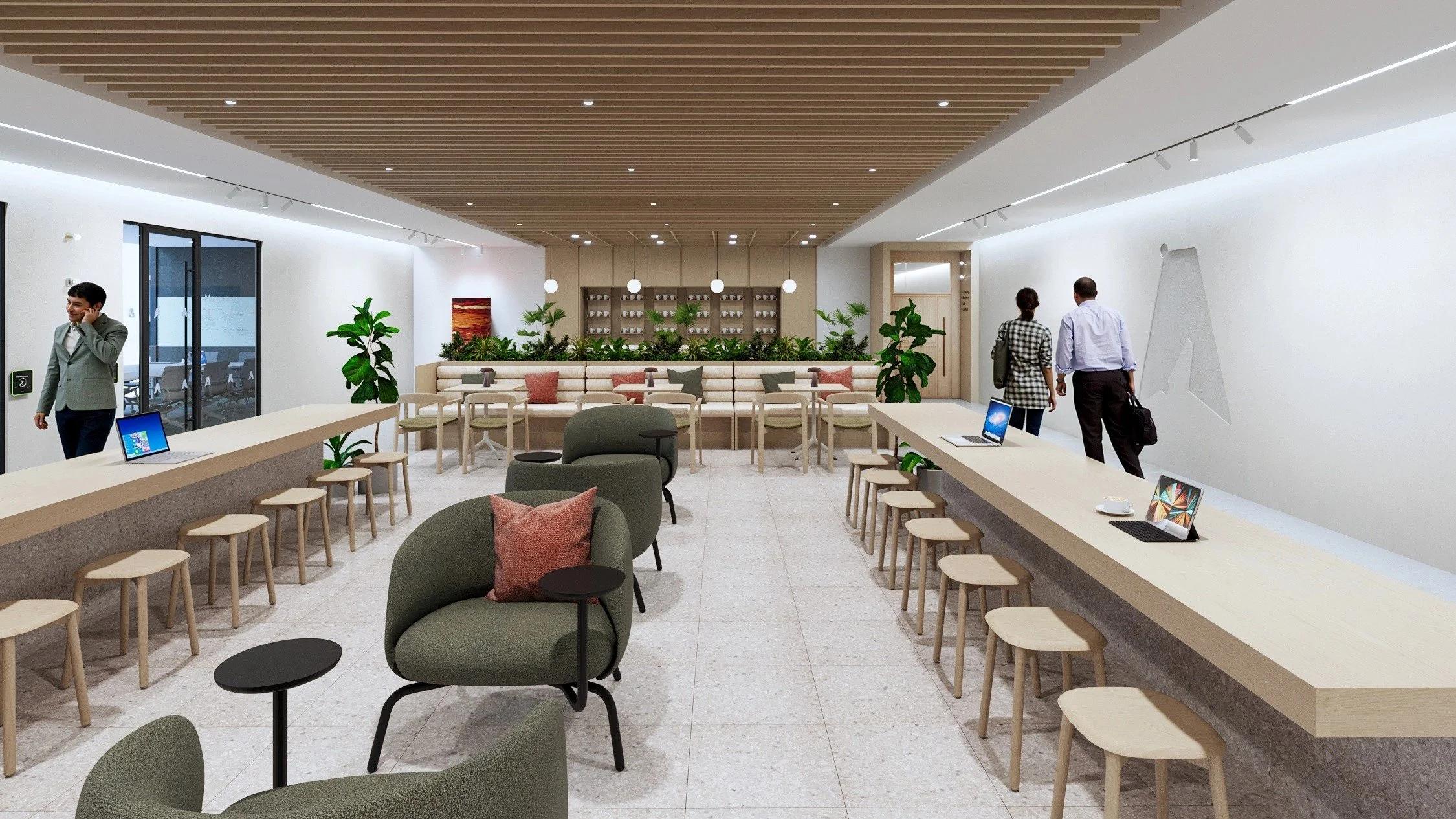
As hybrid working continues to redefine how and why people come together, the physical office is being reassessed. It is no longer simply a container for tasks. It is an active tool—one that supports collaboration, strengthens connection, and reinforces organisational identity.
In response, workplace design is increasingly borrowing from urban planning. Rather than isolated zones and static layouts, designers are looking to cities for cues on how people move, gather, orient themselves, and connect. One of the most effective expressions of this thinking is the “Main Street” concept.
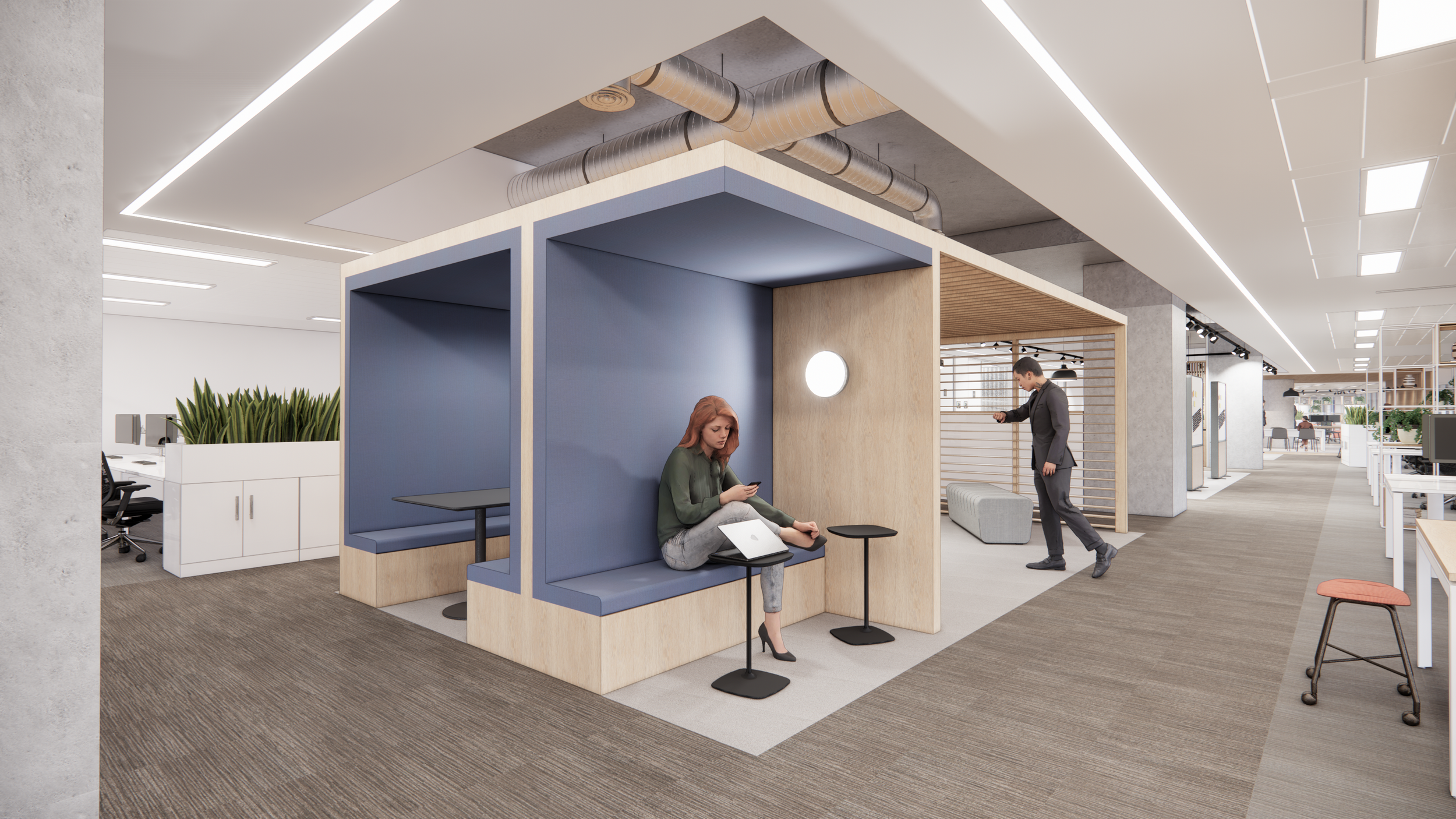
The Main Street: Where Connection Takes Shape
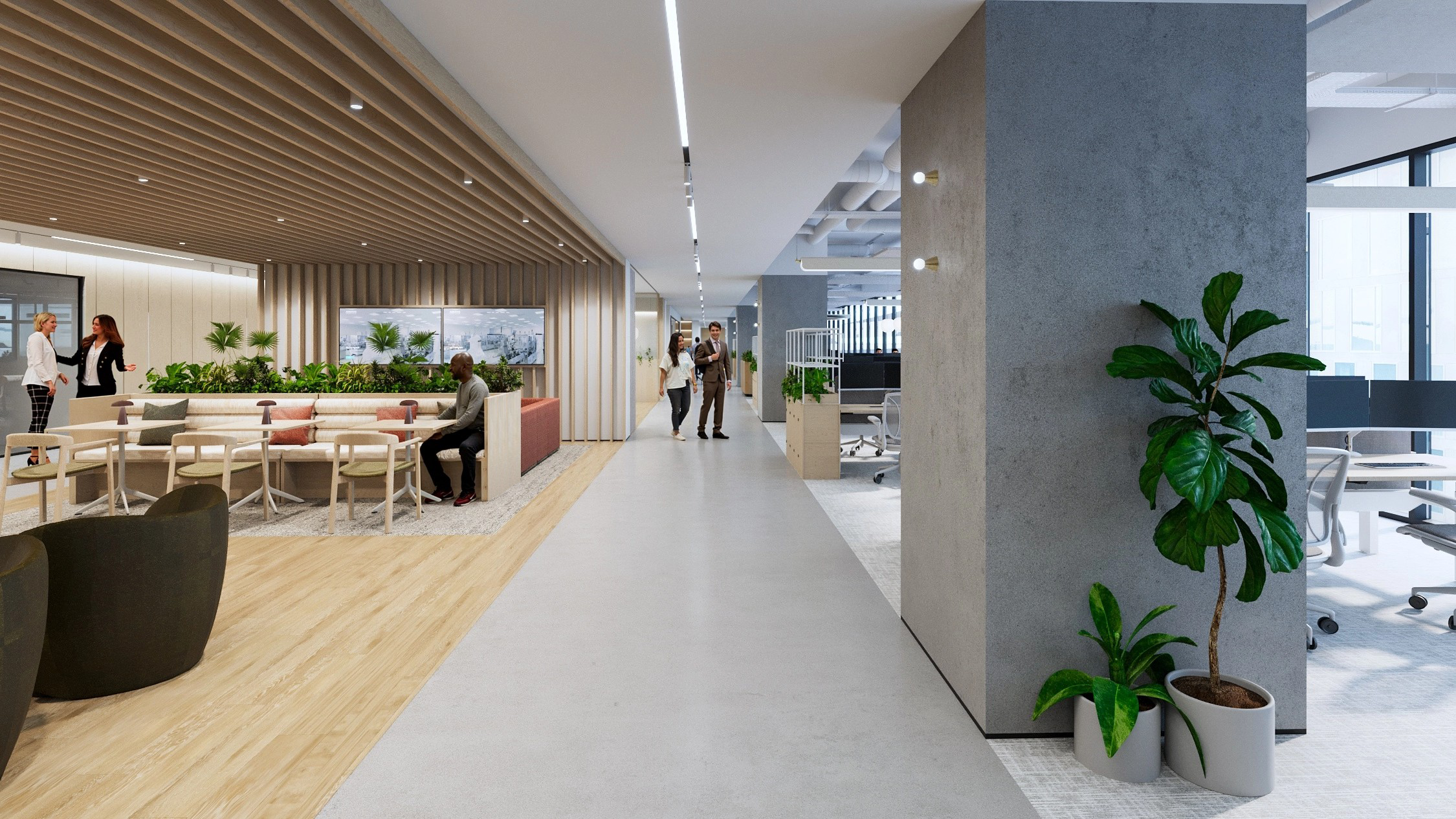
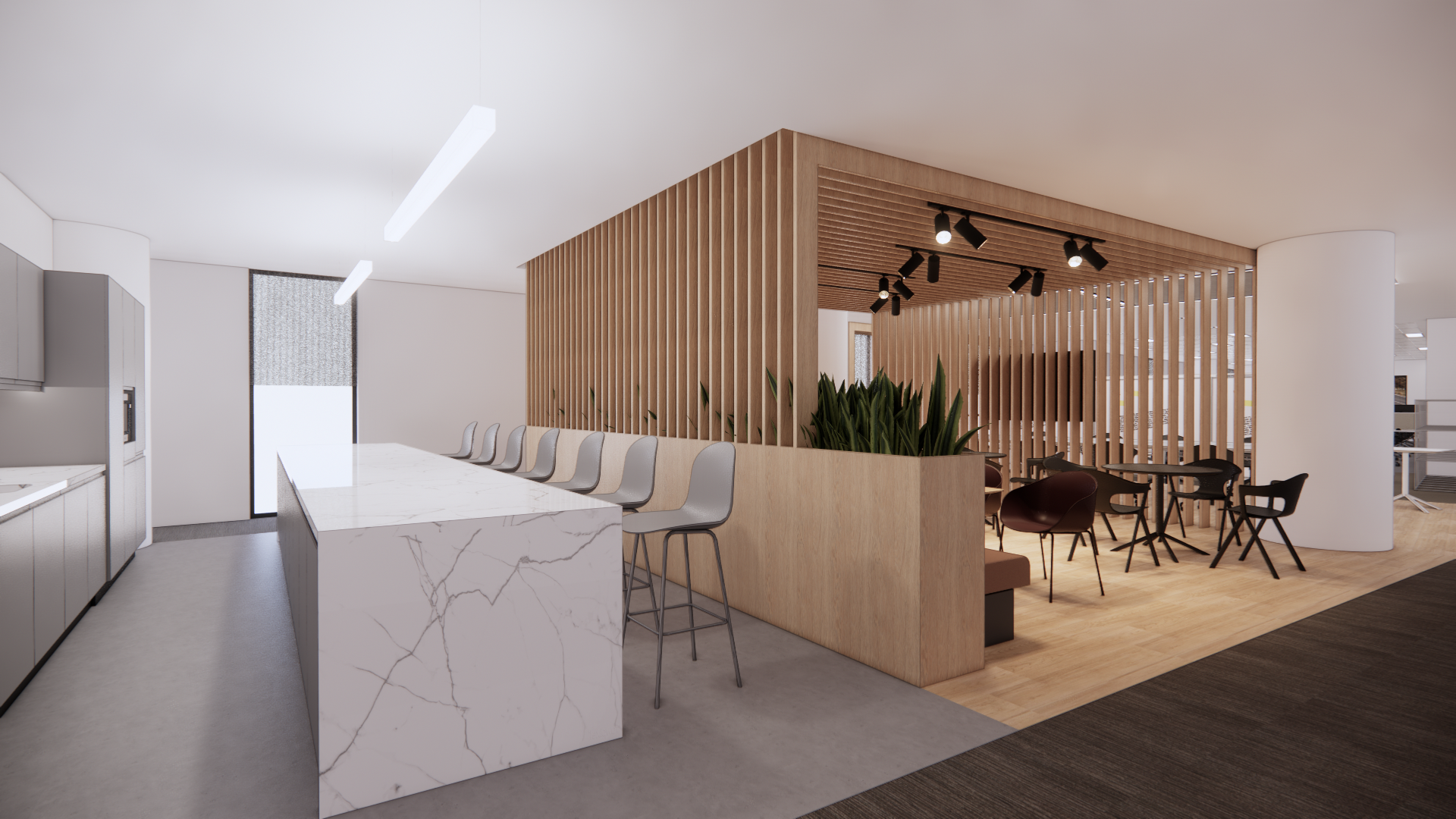
At its simplest, the Main Street is a central spine of activity— a shared thoroughfare that brings together movement, social energy, and function. Like its urban counterpart, it creates rhythm, legibility, and a sense of destination. It anchors the workplace around connection, making collaboration visible and intuitive rather than forced.
This becomes particularly powerful in hybrid environments, where occupancy fluctuates daily. A well-designed central corridor provides continuity regardless of headcount. It acts as the social and operational core of the workplace, giving people a consistent point of reference and access to shared amenities, collaboration spaces, and resources. Much like a city centre, it becomes the place where people naturally cross paths, exchange ideas, and reconnect with the wider organisation.
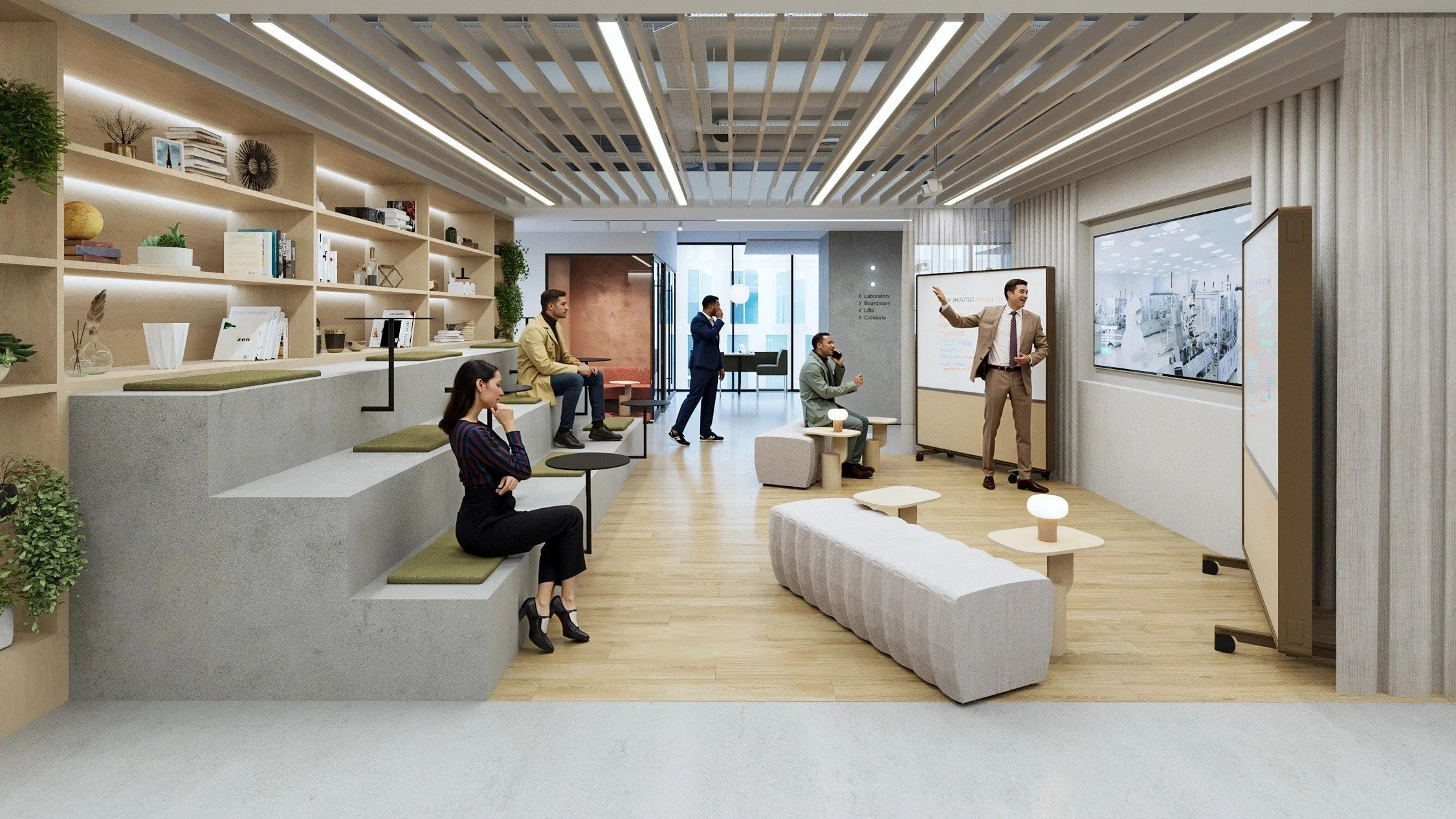
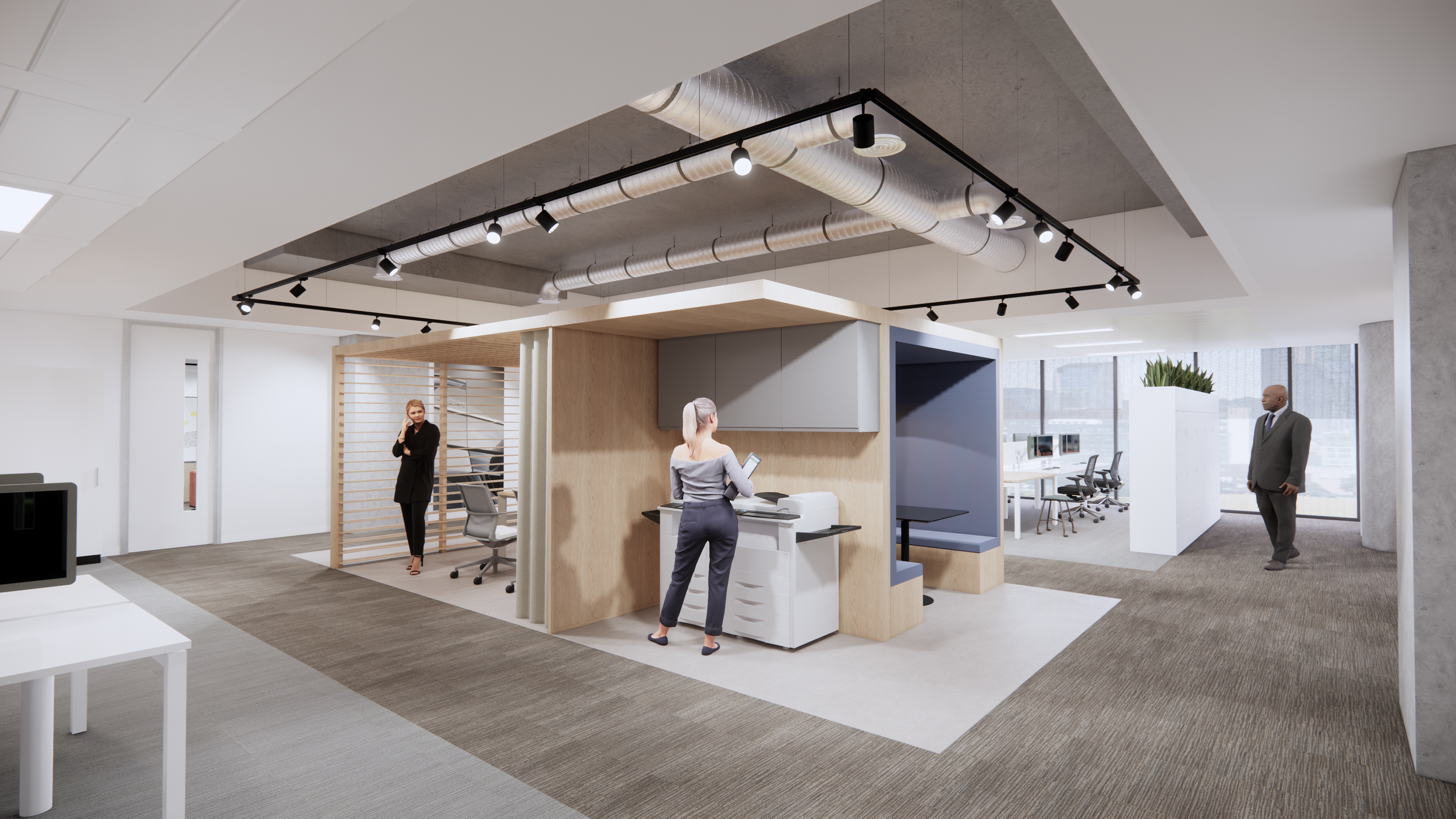
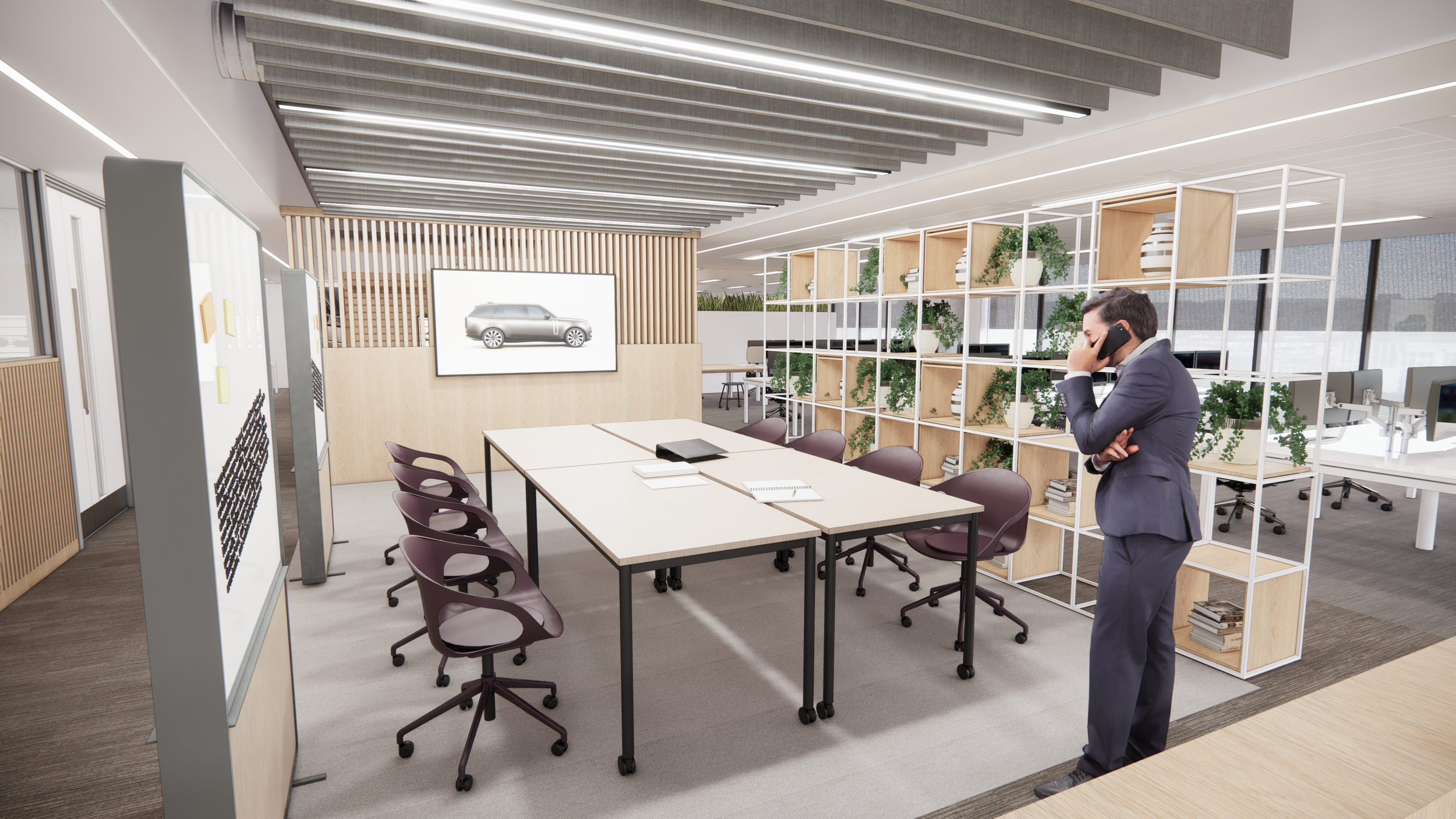
Extending from this spine, a series of adjacent spaces support different work styles—focused, collaborative, social, or quiet—without reinforcing rigid hierarchies. Teams can choose where and how they work, while remaining visually and spatially connected to the whole. The “Main Street” becomes the constant: a shared anchor that supports autonomy while maintaining cohesion.
Designing for Flow: A Built-In Sense of DirectionThe success of a workplace ‘Main Street’ hinges on how intuitively employees can move through the space. By studying staff movement and aligning pathways with natural circulation patterns, designers can make even the largest workplaces feel more human-centred. This “street grid” planning logic creates clear orientation and fosters subtly organic space transitions between focused work and informal collaboration, mirroring the movement cues people naturally follow in urban environments. The corridor then takes on the familiar hustle and bustle of the city core, an energetic flow where people naturally cross paths, pop in and out of adjacent destinations, and experience the small, natural moments that define urban living.
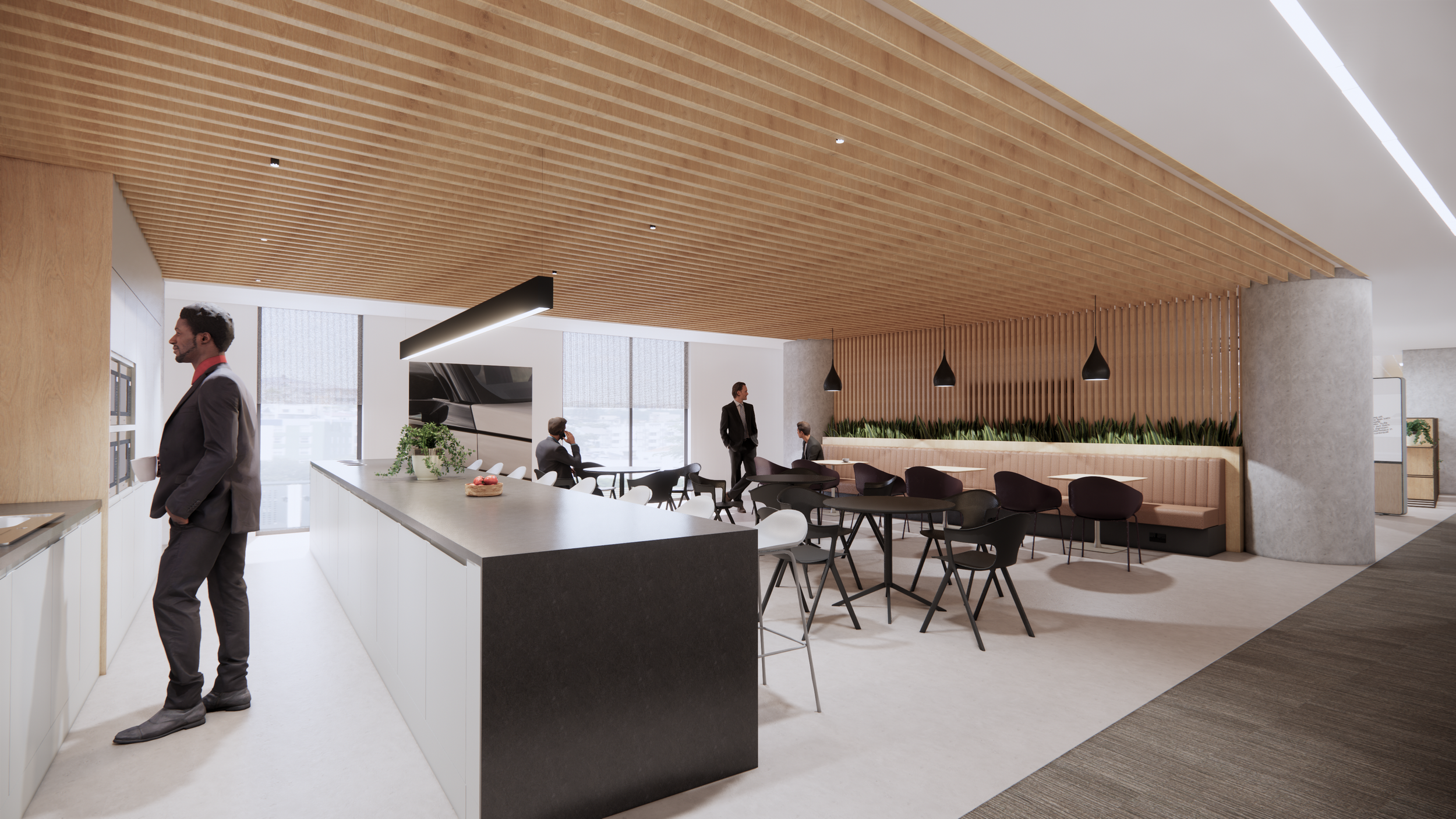
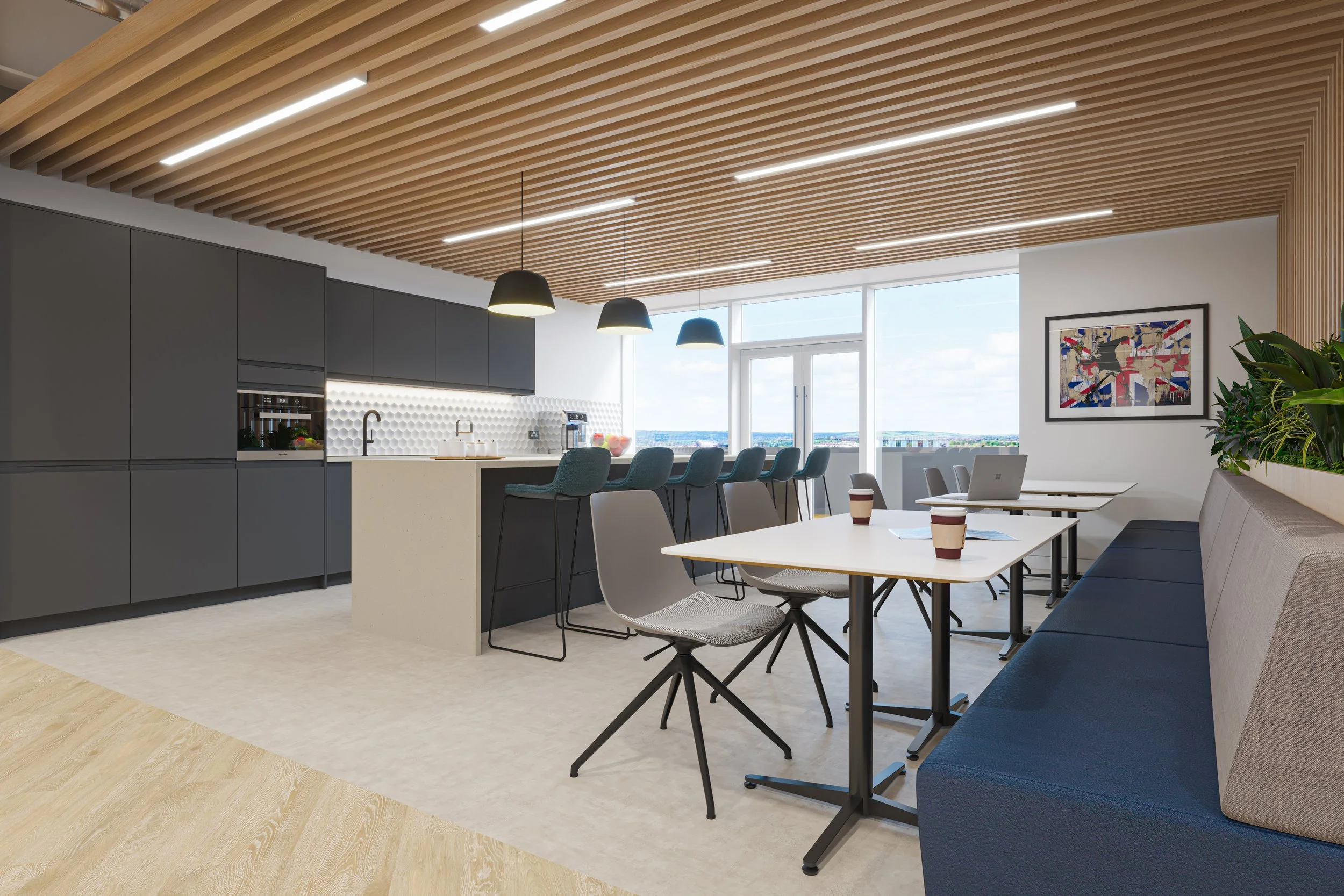
This method provides the added benefit of increasing opportunities for unplanned interaction and cross-pollination of ideas. Main corridors and clear signage connect employees to other departments seamlessly, creating more opportunities for spontaneous connection. Like storefronts or neighbourhood amenities off a primary roadway, office amenities and shared zones located off the central corridor function as mini destinations. These densely populated touchpoints provide employees with the opportunity to tailor their location to their specific needs, while also cultivating impromptu interactions that reinforce a broader sense of community. By promoting movement and social interaction throughout the day, these corridors also contribute to overall employee well-being—encouraging teams to leave behind static, sedentary office experiences in favour of a more activated, dynamic approach to work.
Apart from these benefits, a workplace main street plays an important role in safety and accessibility. Just like well-designed public infrastructure, wayfinding must be inclusive and intuitive. Clear orientation helps reduce confusion in high-stress situations, and ensures that all employees, regardless of ability, are able to navigate their office space independently. By making the environment more accessible, the workplace fosters social inclusion and encourages greater engagement across teams.
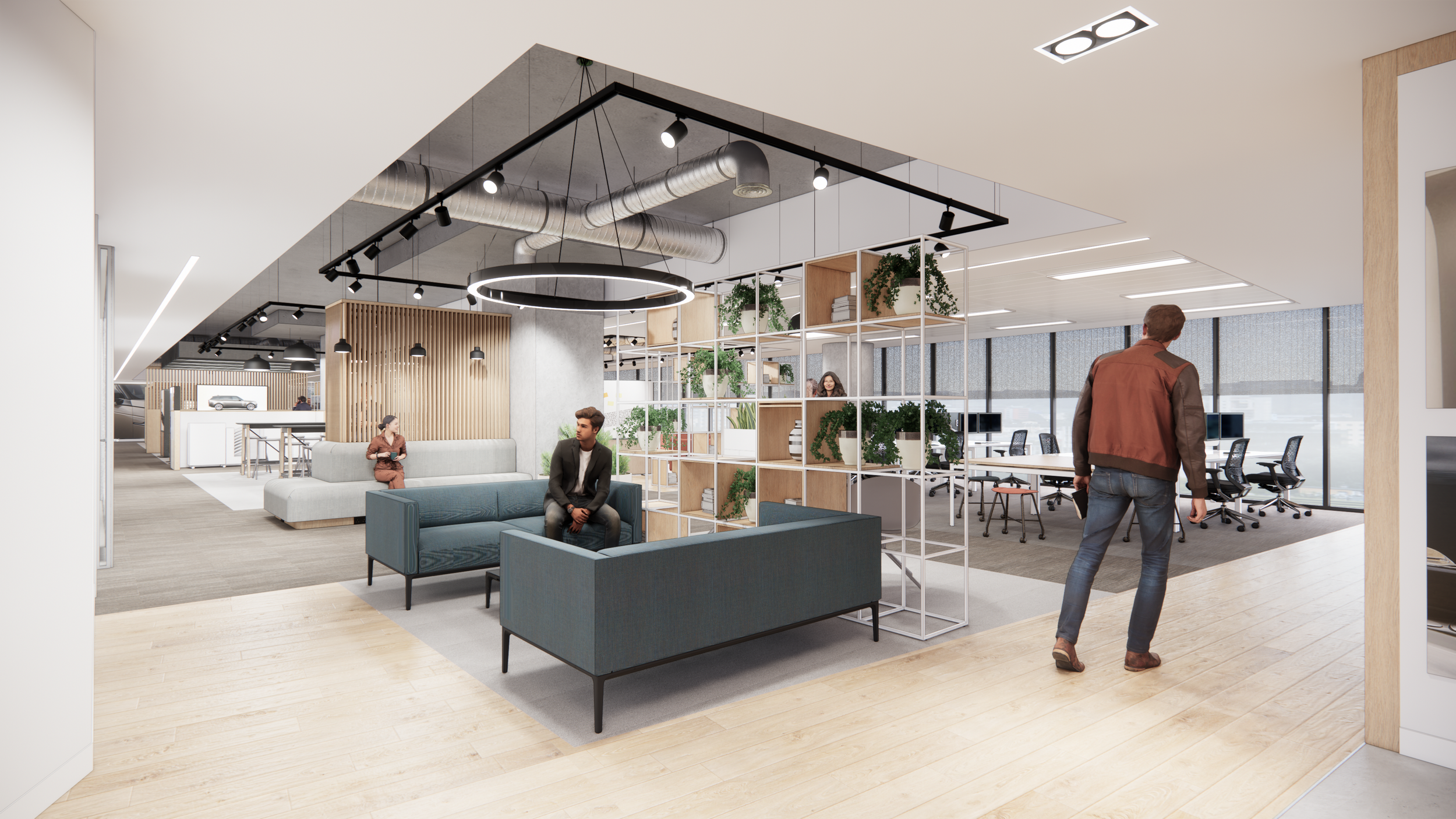
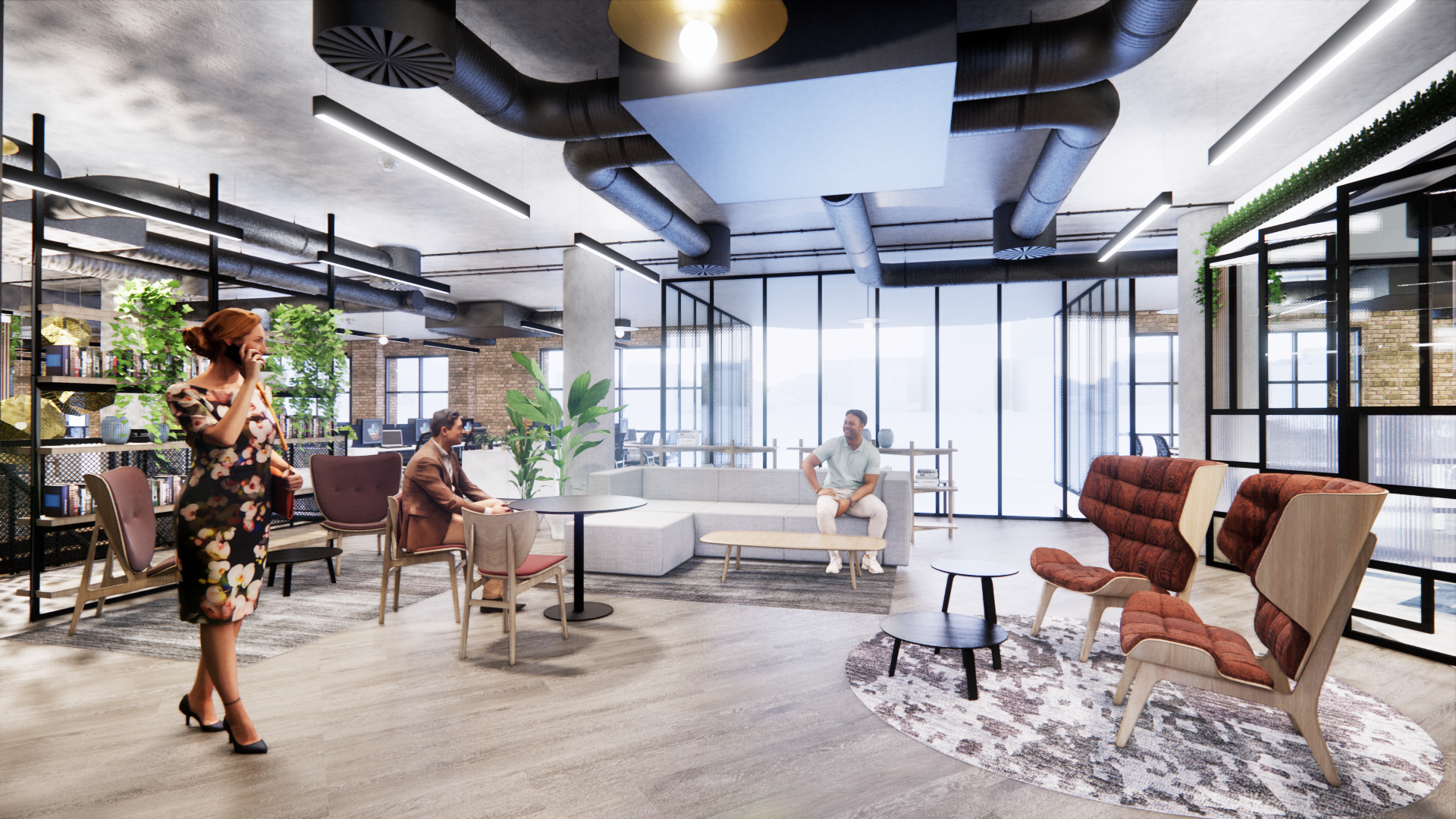
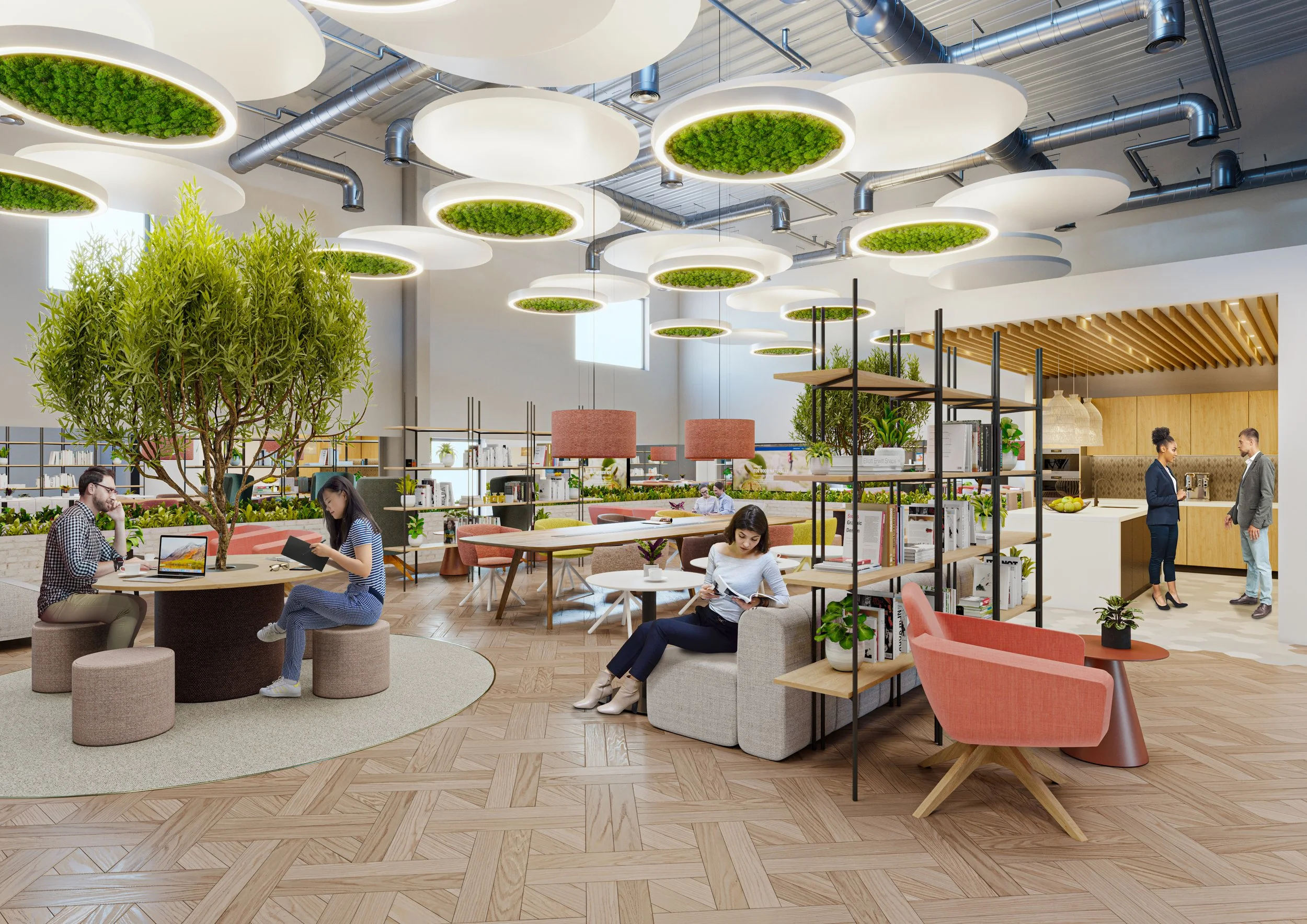
Inspired by the way thriving cities guide movement and foster connection, the workplace should take cues from urban layouts to encourage engagement and create moments of discovery. Structuring the office around a central gathering zone, similar to public squares or central parks, turns the space into a symbol of community.
At its core, this central pathway is designed to facilitate meaningful interaction. Not only does the zone boost interaction, but it also establishes a neutral space where employees feel empowered to more actively participate in discussions. By providing this shared environment, the office further enhances connection and collaboration.
Functionality aside, the central corridor also doubles as a cultural landmark for the office, anchoring the identity of the workplace to give employees a stronger sense of belonging. Just as a main street reflects the culture of a city, a well-designed central corridor communicates both the personality and shared values of an organization, acting as a means for employees to feel both comfortable and connected within their work environment.
By establishing a central gathering place, the office creates space for expression, connection, and individual belonging.
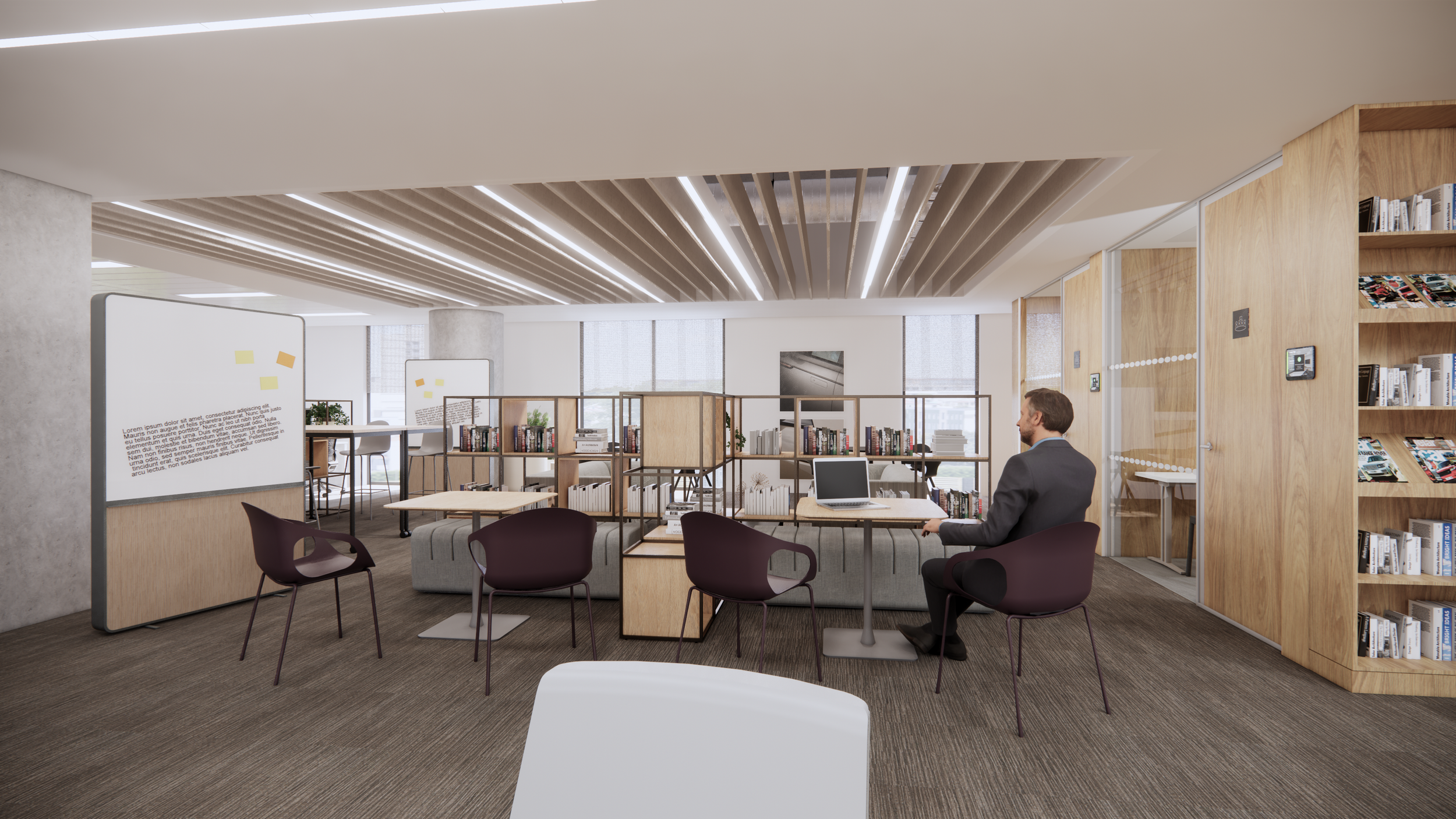
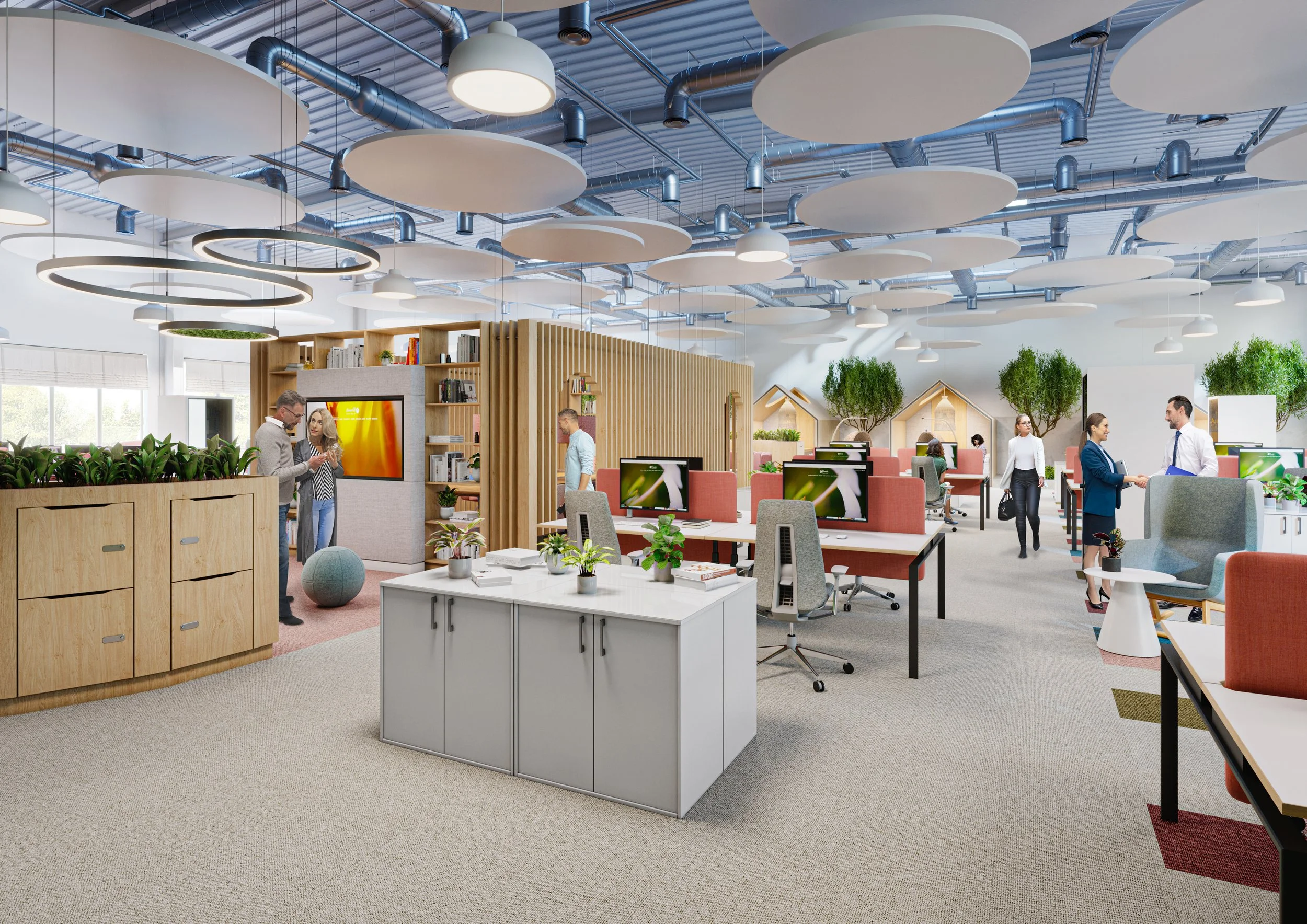
Looking Forward: Designing People-First OfficesAs the workforce continues to adapt to hybrid environments, the workplace of the future will be defined by environments that foster meaningful connection, reflect the culture and identity of the organization, and ultimately reward attendees with experiences they can’t receive elsewhere. By reimagining this “Main Street” concept to create a central throughline of activity, designers can create spaces that better support how employees work, collaborate, and engage with one another. This transforms the office into a place where people choose to be every day.